Losing a partner is extremely hard. It brings emotional pain and often leads to financial pressure. Bills, rent, and daily expenses don’t stop after a loss. Many families in the UK are unaware that government support can help them during this tough time.
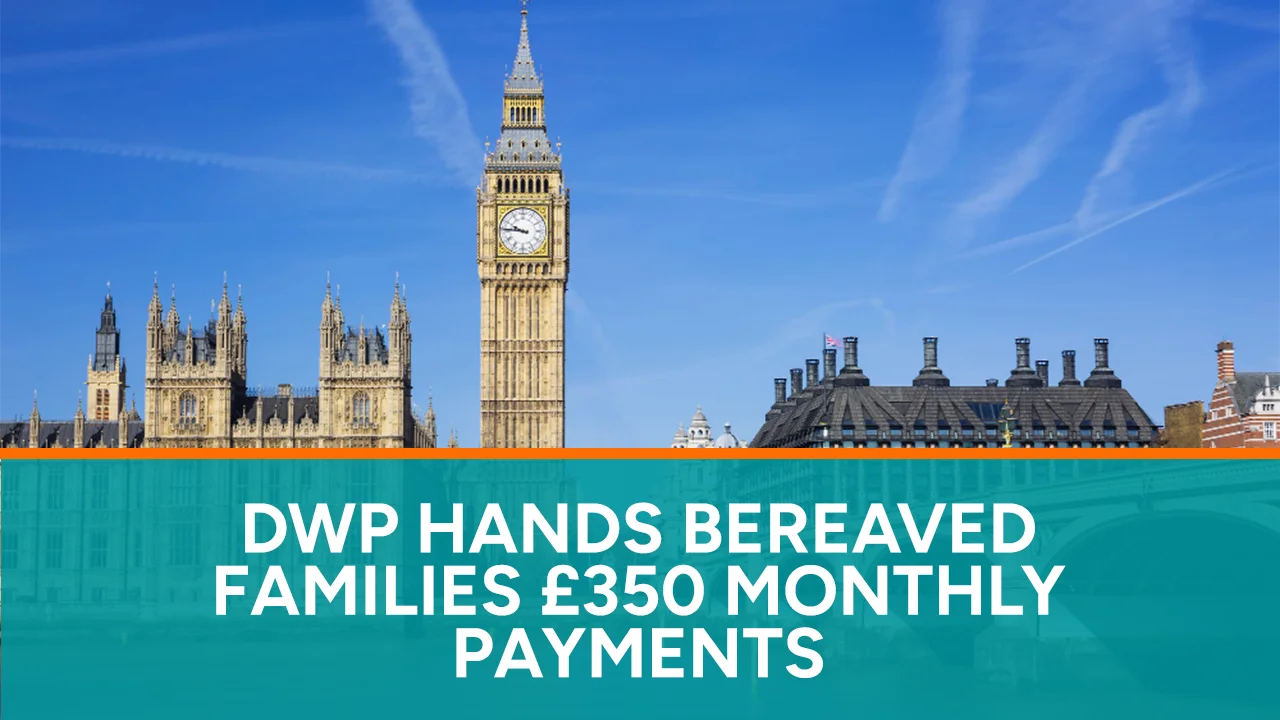
The UK government has a programme called Bereavement Support Payment that offers financial help. This support can give eligible households up to thousands of pounds, including monthly payments of £350 from the DWP for some families. However, many still don’t know they can receive this assistance.
Recently, more families have shown interest in the DWP bereaved families payment as living costs rise. If you’ve lost a spouse, civil partner, or qualifying cohabiting partner, knowing your rights can really help your finances.
The Hidden DWP Supports Many Families Overlook
Many UK households are surprised to learn that the government offers financial help after a partner’s death. The Bereavement Support Payment (BSP) is not widely discussed, so many eligible families may miss out.
This support helps surviving partners deal with immediate financial stress after a death. Costs like funerals, household bills, childcare, and lost income can add up quickly. The DWP created this support to provide short-term stability during a difficult time.
You can get BSP through the Department for Work and Pensions. Depending on your situation, you might receive a lump sum and regular monthly payments. For many families, this could total thousands of pounds over 18 months.
The best part is that this payment does not depend on your income or savings, so it’s especially helpful for working families who might think they don’t qualify.
At Clarkwell & Co., we help families address financial issues after a death, including inheritance and estate planning. Many families need guidance on finances following a loss, as well as professional support for services like Inheritance Tax Advice and Transfer of Shares.
What Is Bereavement Support Payment UK?
The Bereavement Support Payment UK scheme started in April 2017. It helps spouses, civil partners, and some unmarried partners after a death.
The support has two parts:
1. A tax-free lump sum payment.
2. Monthly payments for up to 18 months.
The amount you get mainly depends on whether you have children.
If you have dependant children under 20, you may get:
- A £3,500 lump sum.
- £350 each month for 18 months.
If you don’t have dependant children, you may receive:
- A £2,500 lump sum.
- £100 each month for 18 months.
Some families could receive up to £9,800 in total support.
This financial help from the DWP aims to ease money worries after a death and assist families in adjusting to new income and responsibilities. While it can’t take away emotional pain, it provides some relief during a tough time.
Who Can Claim Bereavement Support Payment?
Many people wonder who can receive the Bereavement Support Payment. To qualify, you usually need to meet these criteria:
- Your spouse, civil partner, or qualifying partner died.
- You were under State Pension age when they died.
- Your partner paid enough National Insurance contributions.
- The death occurred after April 6, 2017.
- You lived in the UK or another eligible country.
The rules for unmarried couples have changed a lot recently. In the past, cohabiting partners often missed out on help. Now, some unmarried partners with children can claim.
So, yes, in certain cases, unmarried couples can get Bereavement Support Payment. If you lived together as partners and had children, you might qualify, even if you were not married or in a civil partnership. This change has allowed many modern families to access support they couldn’t before.
Understanding UK bereavement payment eligibility can be confusing, especially with unique family situations. Getting professional advice early can prevent delays.
Why Thousands Are Missing Out On DWP Payments
Many eligible people do not submit claims despite available support. Some are unaware of the scheme, while others believe they earn too much or think only pensioners qualify.
In reality, the DWP payment for grieving families is accessible to many working households. This includes nurses, teachers, retail workers, business owners, and healthcare staff.
At Clarkwell & Co., we help clients in healthcare and other specialised fields with financial guidance after a loss. Families in medical professions often seek help from our Accountants for Medical & Healthcare Professionals in the UK, especially when their income changes after a bereavement.
Similarly, business owners and researchers may need broader estate and financial support through our Accountants for Scientific, R&D, and Pharma Businesses in the UK services.
Another reason some miss out on benefits is confusion about deadlines. Families often prioritise funeral plans, emotional healing, and responsibilities, which can delay applications. However, acting quickly can greatly increase the amount received.
The Important Deadline That Could Affect Your Payments
One key part of the DWP bereavement rules for 2026 is the claim deadline. You usually have 21 months to apply, but to get the full amount, you need to claim within three months of your partner’s death. If you wait, you might lose some benefits.
Many people search for how to claim DWP bereavement support within three months. If you apply after three months, your payments may be lower because you may not get all the back payments.
For example, someone who claims quickly may receive all 18 monthly payments, while someone who claims later could get fewer. There are a few exceptions; sometimes late claims are accepted if the cause of death is confirmed later, like after a coroner’s investigation.
Still, it’s best to start the process as soon as you can.
How Much Is Bereavement Support Payment In 2026?
People often ask about the Bereavement Support Payment in 2026.
Higher Rate For Parents
If you take care of children, you might get:
- A £3,500 lump sum
- £350 each month for 18 months
This is the maximum support for widows and widowers under the scheme.
Lower Rate Without Children
If you don’t have children to support, you might get:
- A £2,500 lump sum
- £100 each month for 18 months
This lower rate can still help you financially during tough times.
These payments are tax-free and usually don’t affect other benefits right away. However, they may complicate things with Universal Credit and other support over time, depending on your situation.
Because of this, many families talk to accountants or financial advisers when managing financial matters after a loss.
DWP Lump Sum Payment After Death
The phrase “DWP lump sum payment after death” is becoming more popular in online searches because many people are confused about how it works.
The initial lump sum is usually paid soon after approval. It helps with urgent costs like:
- Funeral expenses
- Mortgage or rent payments
- Household bills
- Childcare
- Daily living costs
Monthly payments then continue for up to 18 months. Unlike loans, this money does not need to be paid back. It is a benefit to help grieving families manage money issues.
The system understands that income can drop suddenly after a death. A surviving partner may lose wages, pensions, or support right away.
That’s why the DWP support payment after a spouse dies is one of the most important short-term financial aids for younger bereaved families in the UK.
What Benefits Can You Claim After a Partner Dies in the UK?
Many families don’t realise that Bereavement Support Payment isn’t the only financial help available.
A common question is:
What benefits can you claim after a partner dies in the UK?
Depending on your situation, you might also get:
- Universal Credit
- Child Benefit
- Council Tax Reduction
- Housing Benefit
- Funeral Expenses Payment
- Pension Credit
- Support for Mortgage Interest
Every household is different. Some benefits might increase, while others may decrease after a loss.
For instance, losing a partner can change your household income, tax allowances, and savings limits. This is crucial for families managing estates, inherited assets, or transferring property.
Clarkwell & Co. helps clients in London and nearby areas with financial changes after a loss, especially through our Trusted Accountants in North London and Professional Accountants in Camden.
Getting professional advice can help families avoid costly mistakes while handling taxes and planning for the future.
How To Claim Bereavement Support Payment
If you think you qualify for Bereavement Support Payment, it’s important to know how to apply.
You can apply in these ways:
- Online through the UK government website
- By phone via the Bereavement Service Helpline
- By mail using a claim form
You will typically need:
- Your National Insurance number
- Your partner’s National Insurance number
- Death certificate details
- Bank account information
- Information about dependant children
The application process is simple, but it can be emotionally tough for many families.
The government helpline can help you fill out forms or understand if you qualify.
More people are searching online for information on claiming the DWP bereavement payment as awareness increases.
If you’re unsure about your eligibility, it’s still a good idea to apply or seek advice. Many families mistakenly believe they aren’t eligible.
DWP Bereavement Payment For Parents With Children
Families with children get the most support because they often face greater financial challenges.
The DWP bereavement payment for parents acknowledges that surviving parents may suddenly deal with:
- Lower income
- Higher childcare costs
- Emotional stress
- Housing issues
- School expenses
The £350 monthly payment can be crucial during the tough times after a loss. Parents might also qualify for extra help through Universal Credit or changes in Child Benefit.
Importantly, children under 20 still count if they are in approved education or training. This support helps parents maintain stability while they adjust to big life changes.
Common Mistakes Families Make After Bereavement
After losing a loved one, many families make financial mistakes that could be avoided. Some people delay claiming benefits because they feel too emotional. Others forget to update tax records, pension info, or financial accounts.
Common problems include:
- Missing the three-month deadline
- Not checking eligibility correctly
- Assuming unmarried partners can’t claim
- Forgetting to review taxes
- Ignoring inheritance planning
- Delaying estate administration
Financial issues can become more complex with businesses, investments, pensions, or property. This is why getting professional help can be very helpful during tough times. Accountants can guide families through immediate bereavement payments and longer-term financial responsibilities.
Why Financial Planning Matters After Losing A Partner
Support for grieving families helps temporarily, but long-term financial planning is crucial. Many families face changes in their income after losing a partner. They may need to review mortgage payments, pension contributions, childcare, and retirement plans. This is especially important for self-employed people, healthcare workers, landlords, and business owners.
At Clarkwell & Co., we help families with:
- Estate administration
- Inheritance Tax planning
- Share transfers
- Business continuity
- Personal tax restructuring
- Financial forecasting after a loss
The time after a death can be emotionally draining. However, making smart financial choices early can reduce stress and ensure stability in the long run.
What Every Bereaved Family Should Know About DWP Support
The DWP bereaved families payment can give important financial help to many households in the UK. However, many families do not know what they can receive.
Eligible parents could get a one-time payment of £3,500 and monthly DWP payments of £350, totalling nearly £10,000 during a tough time.
It’s important to understand the rules, deadlines, and who can apply. Families should not delay making their claims.
If you think you might qualify, check the latest DWP bereavement rules for 2026 and start the application soon for better financial support.
Bereavement also raises other financial issues like taxes, inheritance, pensions, and long-term planning. Getting help from trusted professionals can guide families through these challenges during difficult times.
Frequently Asked Questions
Who gets £350 monthly payments from DWP?
Parents with dependant children who qualify for Bereavement Support Payment can get £350 each month for 18 months, plus a one-time payment of £3,500.
Can unmarried couples claim Bereavement Support Payment?
Some unmarried couples living together with children may now meet the new eligibility requirements.
Is Bereavement Support Payment taxable?
No, Bereavement Support Payment is usually tax-free.
How long do you have to claim BSP?
You have up to 21 months to apply, but applying within three months is key to getting the full amount.
Do savings affect Bereavement Support Payment?
No, the benefit is not based on financial need.
What happens if my partner did not pay enough National Insurance?
In some cases, claims can still be successful if the death was caused by a work-related illness or accident.
Can pensioners claim BSP?
You need to be under State Pension age when your partner died.
How quickly are payments made?
Processing times can vary, but lump sum payments are typically made soon after approval.