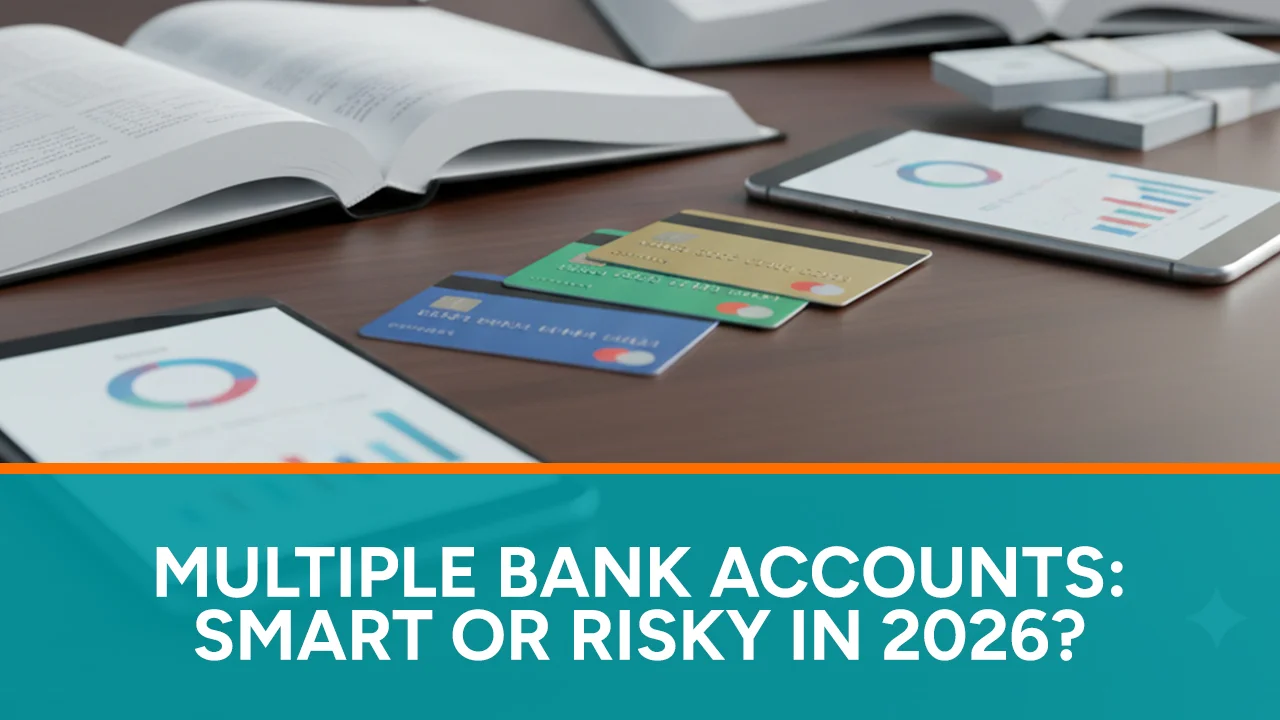
In 2026, many people in the UK will be able to manage their money more flexibly. The old days of using one high street bank account for everything are over. With UK bank switching bonuses, cashback offers, and digital banking apps, it’s easy to open multiple current accounts to meet your financial goals.
But is it safe to have multiple bank accounts?
At Clarkwell & Co. Chartered Certified Accountants, we assist clients in making these choices every day. Whether you’re a landlord, self-employed, or just want to make your money stretch further, this guide explains the pros and cons of managing several UK bank accounts in 2026.
We’ll discuss the benefits of cashback, budgeting tips, FSCS protection, credit score risks, and how to maximise switching bonuses without costly mistakes. If you’re considering multiple accounts, this guide is for you.
The Perks: Why Multiple Accounts Make Sense Today
In 2026, more people are opening multiple bank accounts. Banks are competing hard for customers and offer rewards like up to £200 for switching, cashback on bills, high-interest savings, and bundled services. These bonuses make having more than one account worthwhile.
Many smart savers now use separate accounts for:
- Household bills
- Daily spending
- Emergency savings
- Holiday and event funds
- Business or freelance income, especially for sole traders
These “bucket accounts” simplify budgeting. By keeping spending and savings separate, you gain clarity and control. Many clients using our Budgeting and Forecasting Services report better financial awareness, reduced debt, and improved cash flow with multiple accounts.
The perks of bank accounts in the UK for 2026 are attractive as well. Features like spending categorisation in mobile apps, fee-free ATM access abroad, and extras like travel insurance or breakdown cover make modern accounts useful tools. The key is to use each account wisely.
The Risks: Credit Score, Overdrafts & Application Fatigue
Having multiple bank accounts can have risks if not managed well. A common question from clients is whether these accounts affect credit scores.
The answer is not simple. Having several accounts won’t hurt your credit score directly. However, applying for many new accounts in a short time can lead to several hard credit checks. These checks can lower your score temporarily and make lenders think you’re trying to borrow too much, especially if you’re also seeking loans or credit cards.
Another concern is the risk of overdrafts from multiple accounts. Using overdrafts at different banks can make it seem like you’re relying too much on borrowed money. For example, five overdrafts of £500 each add up to £2,500 in potential debt, which may worry future lenders.
At Clarkwell & Co., we help clients understand their credit scores and bank applications, especially those seeking mortgages or business loans. Our Bookkeeping Service London keeps your account activity organised and clear for financial institutions.
Understanding FSCS Protection: Safety First
Multiple accounts come with a lesser-known risk related to FSCS bank protection in the UK. The Financial Services Compensation Scheme covers only £85,000 per person for each banking group, not for each account or brand.
This is important because many UK banks share licences. For instance, if you have accounts with Lloyds and Halifax, they are part of the same group. This means your total FSCS protection is limited to £85,000. If the bank fails, any amount over that won’t be protected.
If you’re saving for a home, running a small business, or holding large sums for property transactions or taxes, plan your accounts wisely. Our Accounting Services for Estate Agents and Lettings in the UK often include strategies that raise awareness of FSCS, helping you safely spread cash across different banks to increase your coverage.
Managing Multiple Accounts: Strategy Is Key
To manage multiple accounts successfully, it’s important to do more than just open them; be intentional about managing them. Here’s how:
- Use banking apps to give each account a nickname (like “House Bills” or “Holiday Fund”).
- Automate how you distribute your monthly income to different accounts based on what’s important.
- Set alerts for low balances and large transactions.
- Keep an eye on monthly fees and adjust direct debits as needed.
The real danger isn’t having many accounts but losing track of them. 4-5 accounts are easy to manage if you check them regularly, but 10+ accounts without oversight can lead to problems.
Our expert accountants in Shoreditch help individuals and families create simple, personalised banking plans that fit their lifestyles and financial goals. Whether you’re self-employed or have a growing family, we make managing your finances easier.
Smart Switching: Maximising Rewards Without Chaos
UK bank switching bonuses can help you earn extra money, but there are rules you need to follow.
Most offers require:
- A monthly deposit, usually around £1,000.
- Two or more active direct debits.
- Keeping the account open for 60-90 days.
- Switching through the official Current Account Switching Service (CASS).
If you open multiple accounts quickly to get bonuses but don’t meet these requirements, you risk losing the bonus. Not meeting activity minimums or cancelling direct debits can result in fees or account closures.
At Clarkwell, we suggest smart switching by:
- Use a separate “switching account” from your main one.
- Keeping important payments like salaries in a stable account.
- Waiting 3-6 months between switching.
Our UK Accountants for Consultants and Agencies can help you time your switches for better income and tax planning.
Budgeting with Bank Accounts: Separate and Conquer
Having multiple accounts offers a key benefit: precise budgeting. Instead of guessing where your money goes, you can organise your finances to keep spending separate from saving and necessities apart from extras.
Here’s a simple structure:
- One account for household bills (rent, council tax, utilities).
- Another for monthly spending (groceries, transport, dining).
- A third for savings (emergency fund, vacations, annual costs).
- A fourth for business or freelance income, tracked for tax purposes.
At Clarkwell & Co., we create custom account structures based on your income, job, family size, and future plans. This leads to less stress, fewer surprises, and better financial habits.
When to Consolidate Instead of Multiply
Sometimes, it’s better to simplify. If you have too many accounts, consider merging them. Here’s how to decide which accounts to close:
- Accounts that charge monthly fees but offer no benefits.
- Accounts you haven’t used in over six months.
- Accounts with missed payments or strange activity.
- Duplicate accounts from the same bank.
Ask yourself:
- Do I use this account?
- Does it help me reach my goals, or just take up space?
- Have I missed any cashback or bonuses because I forgot the requirements?
Our Bookkeeping Service London team can help you review your accounts, close unnecessary ones, and update your payment details to make banking easier.
Final Verdict: Smart or Risky?
So, is having multiple bank accounts in 2026 a smart money move or a potential financial trap?
It’s smart when:
- You use them to enforce budgeting discipline.
- You take advantage of switching offers responsibly.
- You stay within FSCS protection limits.
- You track direct debits, fees, and overdrafts properly.
It’s risky when:
- You apply for too many accounts too quickly.
- You forget which account pays what.
- You overuse overdrafts across several banks.
- You exceed FSCS protection unknowingly.
The verdict? Having multiple bank accounts in the UK can be a strong financial strategy. However, its success relies on good management. With a solid plan and a skilled accountant, you can save more, budget better, and lower risk.
At Clarkwell & Co. Chartered Certified Accountants, we can help you create a banking setup that fits your lifestyle, income, and future goals.